
Adam Vital Hospital — Prof. Dr. Weber Center of Limb Lengthening & Deformity Correction
Dubai, United Arab Emirates
Hospital · Surgery + rehabilitation
- Fully internal lengthening
- External fixation
Partially verified

 home
homeSite language
LimbAtlas is published in English. Turkish and German editions are planned.
Site language
LimbAtlas is published in English. Turkish and German editions are planned.
Technique · External
Lengthening in which an external frame, attached to the bone with wires or pins that pass through the skin, produces the gradual lengthening.
Methods here are lengthening techniques, kept separate from the devices used with them and from providers' own procedure names. Listings are provider-reported and publicly sourced, and informational only — LimbAtlas does not recommend a technique or device, and suitability depends on an individual clinical assessment. Confirm current details directly with a provider. Diagrams are simplified illustrations, not to scale and not of any specific device.
AAOS describes the bone being cut and an external fixator being applied to the leg, connected to the bone with wires, pins, or both.
The Royal National Orthopaedic Hospital's patient guide names two main types of external fixator, monolateral and circular, and two main kinds of circular fixator: the Ilizarov fixator and the hexapod.
Device types: Circular external fixator, Monolateral external fixator.
A device is not a technique: the same frame or nail can be part of different techniques. Listed devices are ones providers name on LimbAtlas, not a complete market list.
AAOS describes regular follow-up visits and extensive rehabilitation, including physical therapy and home exercise, for both internal and external lengthening.
Rehabilitation
Accommodation
Patients operated elsewhere
Across 20 listed providers.
Related by how the taxonomy groups methods, not by clinical similarity or suitability.
20 listed providers · shown alphabetically
Dubai, United Arab Emirates
Hospital · Surgery + rehabilitation
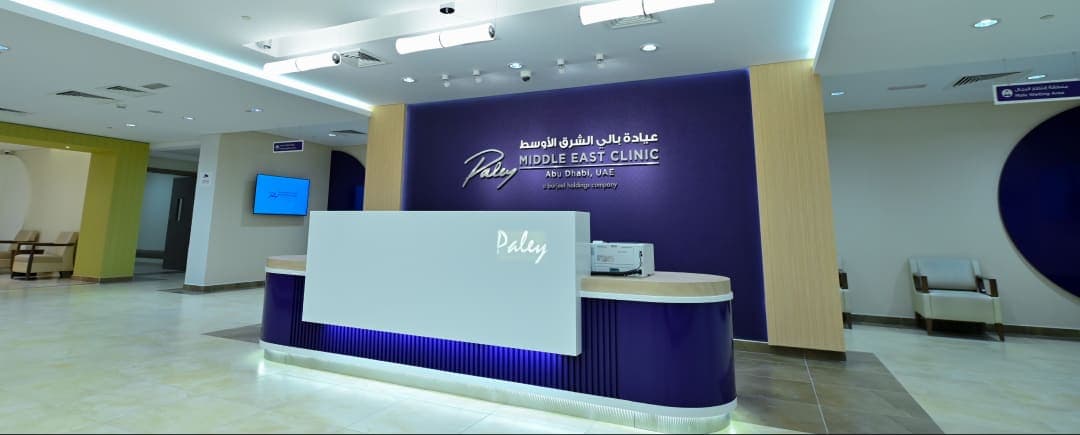
Abu Dhabi, United Arab Emirates
Hospital · Surgery + rehabilitation
Singapore, Singapore
Surgical clinic · Surgery + rehabilitation

Madrid, Spain
Hospital · Surgery + rehabilitation
Mont-Royal, Canada
Surgical clinic · Surgery + rehabilitation
Utrecht, Netherlands
Hospital · Surgery + rehabilitation

São Paulo, Brazil
Hospital · Surgery + rehabilitation
New York, United States
Hospital · Surgery + rehabilitation
Geneva, Switzerland
Hospital · Surgery + rehabilitation

Rozzano, Italy
Hospital · Surgery + rehabilitation

Baltimore, United States
Hospital · Surgery + rehabilitation
Mumbai, India
Hospital · Surgery + rehabilitation
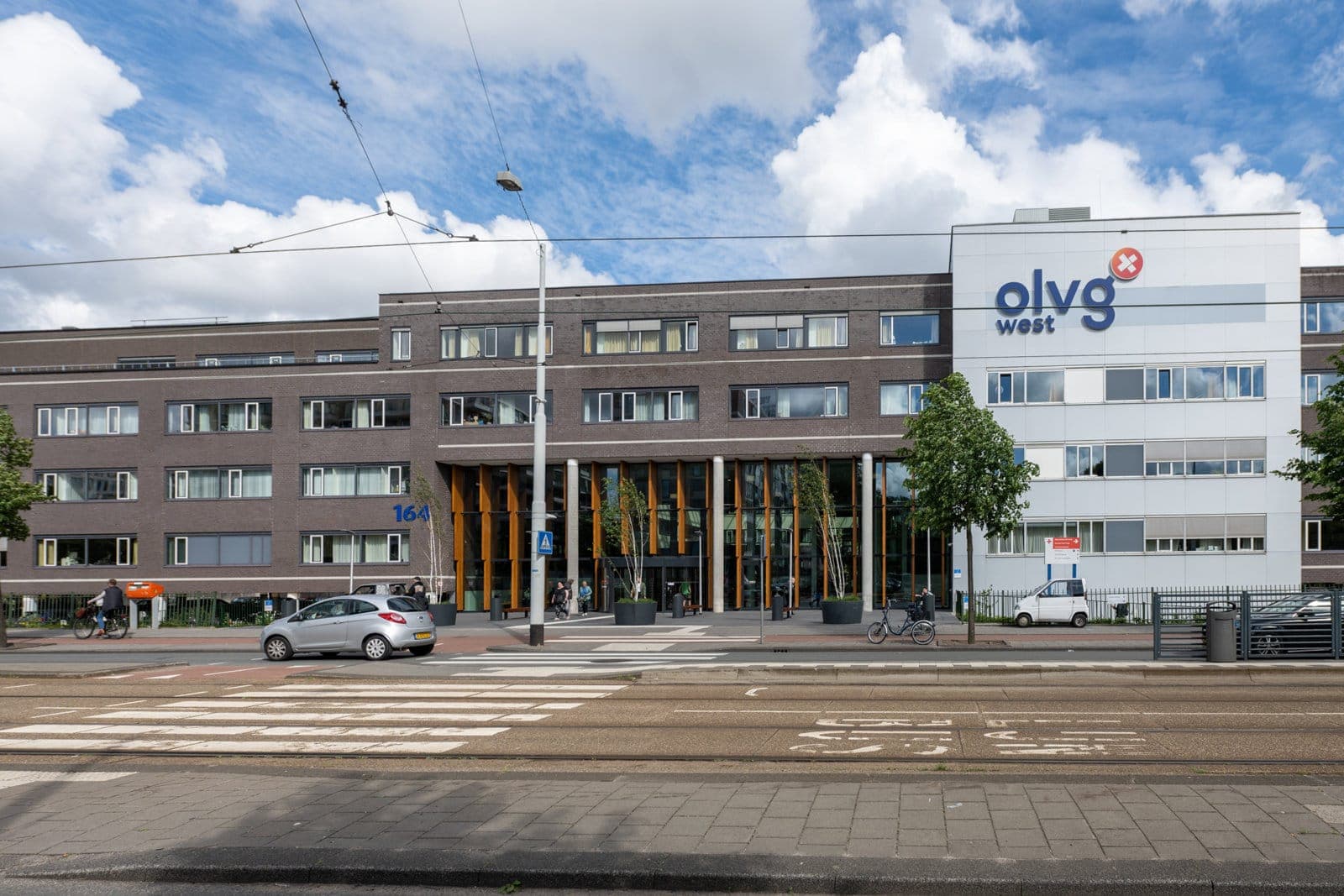
Amsterdam, Netherlands
Hospital · Surgery + rehabilitation
Warsaw, Poland
Surgical clinic · Surgery + rehabilitation
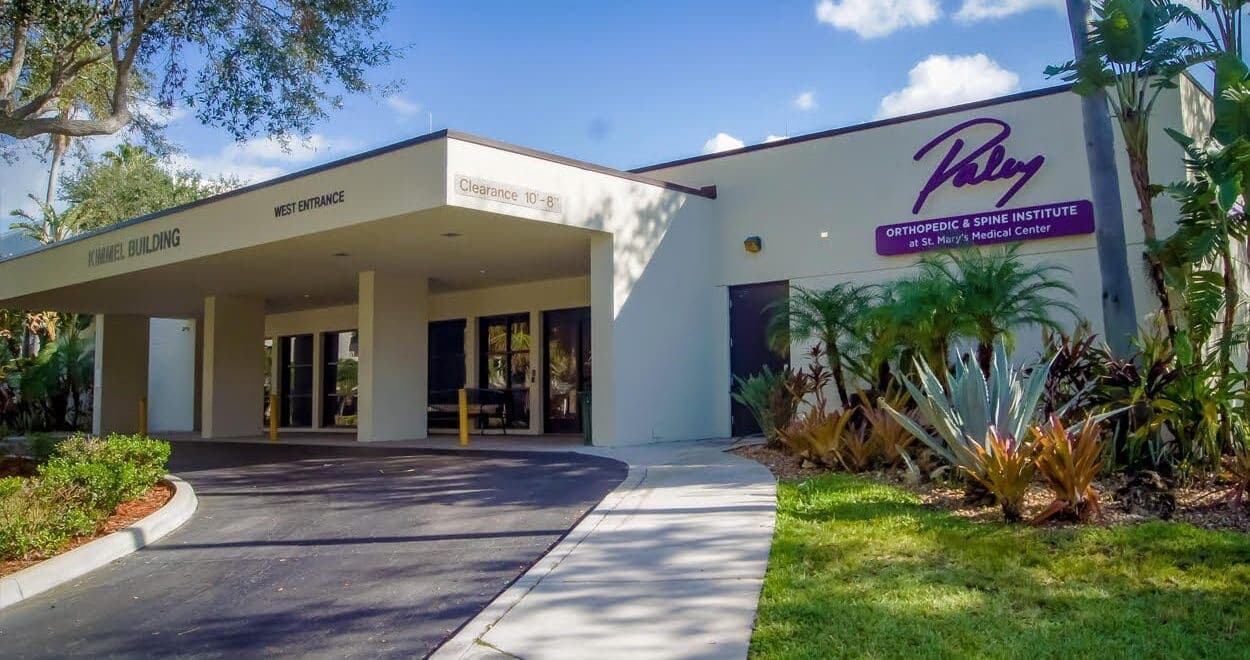
West Palm Beach, United States
Surgical clinic · Surgery + rehabilitation

Stanmore, United Kingdom
Hospital · Surgery + rehabilitation

Dallas, United States
Hospital · Surgery + rehabilitation
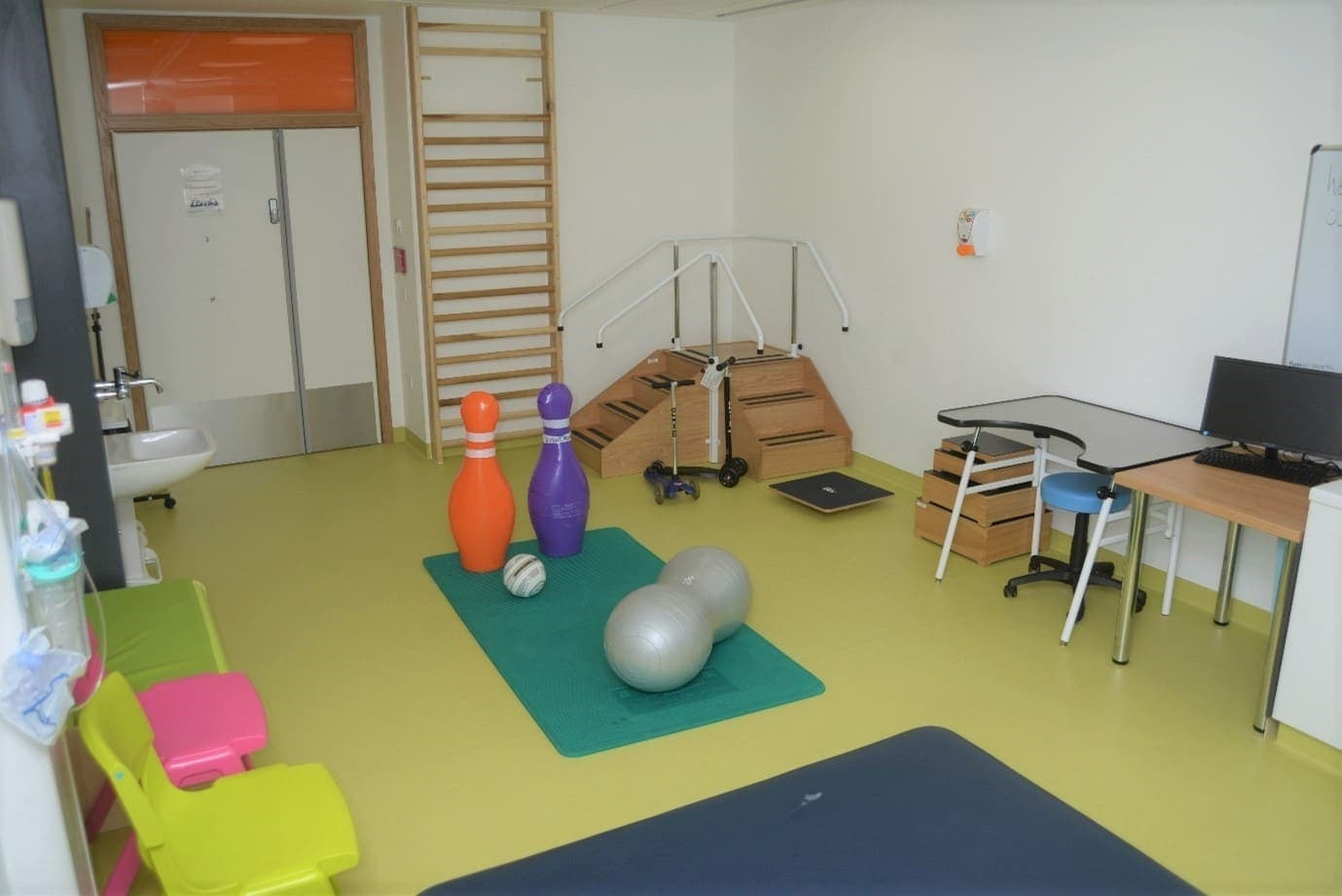
Sheffield, United Kingdom
Hospital · Surgery + rehabilitation
Leuven, Belgium
Hospital · Surgery + rehabilitation
Getting started
A plain-language introduction: the principle of gradual bone lengthening, the main ways it is carried out, why people consider it, and what the process involves over time.
4 min readReviewed
Methods & devices
How the four techniques LimbAtlas records differ in where the lengthening hardware sits — inside the bone, outside the limb, or both — and what that structural difference does and does not tell you.
4 min readReviewed
Methods & devices
How a named device such as PRECICE, FITBONE or the Taylor Spatial Frame differs from a device type and from a treatment technique — and how to read the device information on a LimbAtlas profile.
4 min readReviewed
OrthoInfo, American Academy of Orthopaedic Surgeons · Professional medical source · checked 3 Oct 2026
Patient information focused on children. Used only for general descriptions of external and internal lengthening, follow-up and rehabilitation.
Royal National Orthopaedic Hospital NHS Trust · Hospital website · checked 3 Oct 2026
Used for the two main external fixator types (monolateral and circular) and the Ilizarov and hexapod kinds of circular fixator.
International Center for Limb Lengthening, Sinai Hospital of Baltimore · Hospital website · checked 3 Oct 2026
Used for the descriptions of circular, Taylor Spatial Frame, Ilizarov and monolateral fixators.